
Review · CASTLE TOURS
WWII Battlefields and Castles Private Tour in Luxembourg
WWII sites in Luxembourg make history concrete. You get a well-paced route that moves from American and German cemeteries to museums and castles, with an English-speaking guide who can explain the Battle of the Bulge in plain, organized terms (Serge is called out for that kind of clarity). I also like how you’re shown the story through objects and places, not just dates, thanks to the Patton Memorial Museum’s maps and artifacts. One possible drawback: museum costs are partly on you, since it lists about €13 per person for museum entrance.
This is built for comfort and focus. With a private group of up to 4, pickup near the Grund area, and an air-conditioned vehicle plus bottled water and snacks, you can concentrate on what you’re seeing rather than logistics. The route runs about 5 to 6 hours, so wear shoes you trust for museum floors and castle grounds.
In This Review
- Key things to know before you go
- Why this half-day route feels efficient in Luxembourg
- Pickup and timing, from Grund to a full WWII day
- Stop 1: Luxembourg American Cemetery Memorial and Patton’s final resting place
- Stop 2: Sandweiler German Military Cemetery for a harder, balanced perspective
- Stop 3: Patton Memorial Museum, maps, artifacts, and leadership lessons
- Stops 4 and 5 in Clervaux: Castle of Clervaux and the Battle of the Bulge Museum
- Stop 4: Castle of Clervaux with The Family of Man
- Stop 5: Museum of the Battle of the Bulge
- Stop 6: Castle of Wiltz and the Museum of the Resistance
- Comfort and included extras that make the day easier
- Price and value: what $773.95 means for your per-person cost
- Who this tour suits best, and who might want a different pace
- Should you book this WWII and castles private tour?
- FAQ
- How long is the WWII battlefields and castles private tour in Luxembourg?
- Where do we meet, and does the tour return to the same place?
- Is pickup included, and what vehicle should I look for?
- What language is the tour offered in?
- Are meals included?
- What museum costs should I expect?
Key things to know before you go
- Two cemeteries, two perspectives: You’ll compare the Luxembourg American Cemetery with the German Military Cemetery in Sandweiler.
- Patton Museum is the story anchor: Expect maps, artifacts, and personal accounts connected to Luxembourg’s liberation.
- Clervaux mixes UNESCO and WWII: The Castle of Clervaux includes the UNESCO-listed exhibition The Family of Man, then the Battle of the Bulge Museum.
- One castle stop is ticket-free: Clervaux Castle admission is listed as free, which helps budget.
- Wiltz Castle adds the resistance angle: The Museum of the Resistance brings the story closer to local experience.
- It’s a private, small group: Up to 4 people means you can ask questions without feeling rushed.
More of the castles up the valleys:
- Luxembourg: Nature & Castle Day Trip
★ 4.0 · 74 reviews - Schengen Wine Heritage and Beaufort Castle Private Tour
★ 5.0 · 3 reviews - Luxembourg Vianden Castle Tour with Transfer + surprise stop
★ 5.0 · 3 reviews
Why this half-day route feels efficient in Luxembourg
Luxembourg City is compact, but World War II sites are scattered enough that doing them solo can become a half-day scramble of trains, buses, and waiting. This tour solves that with private transportation and a tight sequence of stops that makes the themes click.
You’re not just “touring” five museums and monuments. The order matters. The route starts with formal remembrance at the cemeteries, then shifts to interpretation at the Patton Memorial Museum and the Battle of the Bulge Museum, and finally adds castle settings where people carried out resistance and survived occupation. It’s a good way to turn history into something you can feel: quiet rows of graves first, then the messy human story that got those places created.
Pickup and timing, from Grund to a full WWII day
You meet at 1 Rue Münster, 2160 Grund, Luxembourg. Pickup is arranged with the guide and driver waiting in a car near the bridge and bus station, and the vehicle listed is a gray Lexus NX. The tour ends back at the same meeting point, so you do not have to plan a separate ride home after your last stop.
Expect roughly 5 to 6 hours total. Stop times are listed in the plan, so you’ll have a clear idea of how long you’re likely to spend at each memorial or museum. Also, you get bottled water and snacks, which matters on days when you might otherwise lose time hunting for a drink or getting stuck in a café line.
For comfort, this is scheduled with an air-conditioned vehicle, and it’s described as suitable for travelers with moderate physical fitness. Service animals are allowed. If you have mobility limits, you’ll likely want to take your time inside museums, where floors can be uneven or exhibits may require standing.
Stop 1: Luxembourg American Cemetery Memorial and Patton’s final resting place
This first stop is a 30-minute visit with admission included. The Luxembourg American Cemetery Memorial is where you’ll find the final resting place of General George S. Patton. That single fact gives the stop instant gravity. You’re not just looking at a monument, you’re starting with the people and leadership tied directly to the Allied push that helped liberate this region.
What I like about starting here is the emotional reset. Cemeteries give you a clear “why” before the “how.” In a shorter day, that order helps your brain connect later museums to the reality of loss. The tone is also different from a typical museum, so you can take a breath, read what you can, and let the guide frame the broader picture as you walk.
Practical note: even if you stay for the full 30 minutes, it’s enough time to see the memorial elements and absorb the context your guide provides, without feeling like you’re racing.
More of the Ardennes battlefields:
- Find and Honor an American Soldier in a Virtual Memorial Visit★ 5.0 · 1 review
- Luxembourg: WWII Battlefields & Castles Private Tour★ 4.4 · 2 reviews
- Luxembourg & Belgium 1-day private guided World War 2 tour★ 5.0 · 1 review
Stop 2: Sandweiler German Military Cemetery for a harder, balanced perspective
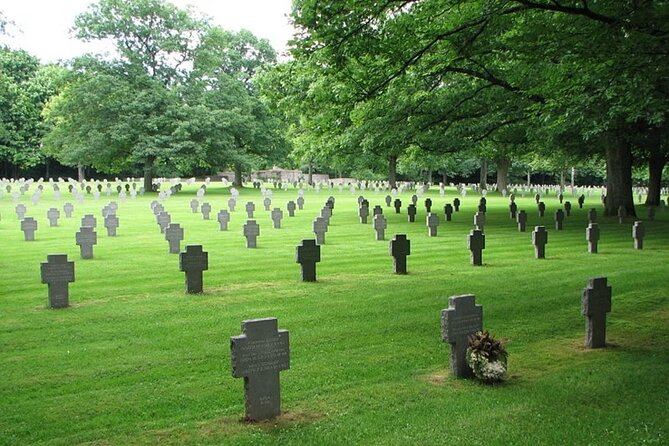
Next is another 30 minutes, and admission is included. You’ll visit the Sandweiler German Military Cemetery in Luxembourg. This stop is intentionally paired with the American cemetery, and it changes the emotional temperature of the day fast.
The value here is contrast. You’re looking at remembrance from the other side, in a place that forces you to see how war affected people far from the headlines. Your guide can help you hold two ideas at once: the liberation story and the human cost for families across borders.
Even if you care most about Allied history, I’d still treat this as a key learning moment. It’s the kind of stop that tends to make everything else more meaningful, because you’re not just collecting victories. You’re understanding what those victories meant for real bodies, real towns, and real graves.
Stop 3: Patton Memorial Museum, maps, artifacts, and leadership lessons
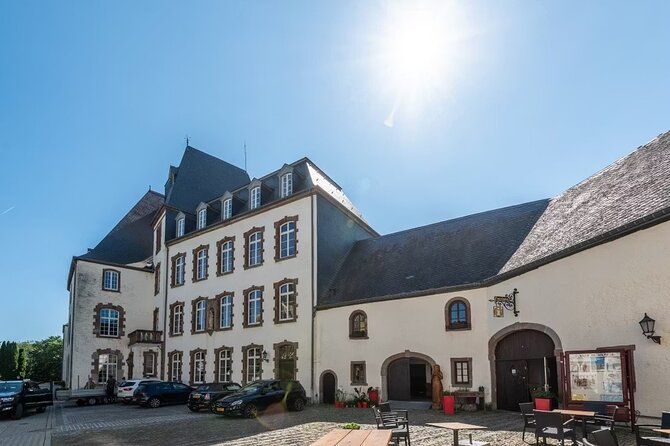
This stop runs about 40 minutes, and admission is included. The General Patton Memorial Museum is dedicated to Patton’s leadership in liberating Luxembourg, and it’s described as having artifacts, maps, and personal stories.
For me, this is the interpretation engine of the day. Cemeteries set the mood, and museums explain the mechanism. Maps help you understand where movements happened. Artifacts bring you into the “what did people actually carry and use” part of history. Personal stories help you connect names and events to lived experience, which is often where WWII tours either get flat or get real.
This is also the stop where a strong guide can make or break the experience. In the feedback tied to this tour, Serge gets specific praise for explaining the Battle of the Bulge in a way that’s easy to follow. If your guide also works like that, you’ll likely leave Clervaux and Wiltz understanding not just what happened, but why the timeline mattered.
Stops 4 and 5 in Clervaux: Castle of Clervaux and the Battle of the Bulge Museum
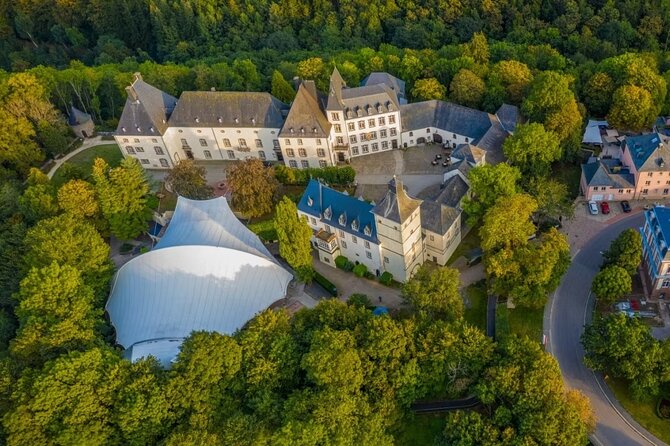
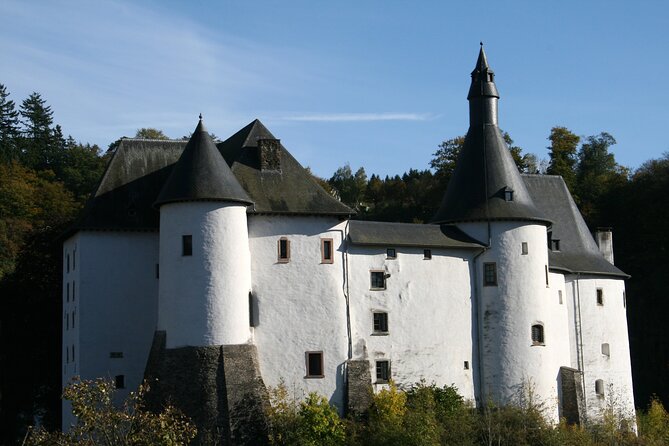
Clervaux is where the day expands from pure WWII interpretation into culture and setting.
Stop 4: Castle of Clervaux with The Family of Man
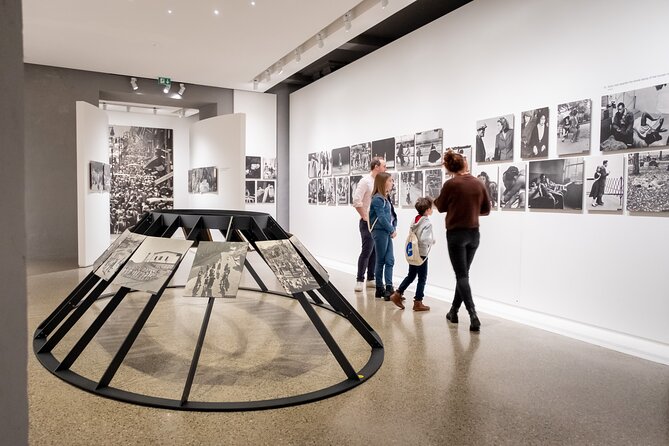
You’ll spend about 1 hour 30 minutes here. Admission for this stop is listed as free. The Castle of Clervaux includes a UNESCO-listed photo exhibition called The Family of Man.
This is a smart break in the WWII-heavy rhythm. The exhibition isn’t a war museum, but it connects to the human side of the story. You’ll be looking at people, everyday life, and universal themes through photography, and that makes the later WWII material hit with more emotional weight.
If you’re wondering whether photos belong on a WWII tour, here’s how to think about it: war is about displacement, fear, and survival, but it also interrupts normal life. This stop reminds you of what life looked like before and after conflict. You’ll feel the contrast when you step back into WWII exhibits later.
Stop 5: Museum of the Battle of the Bulge
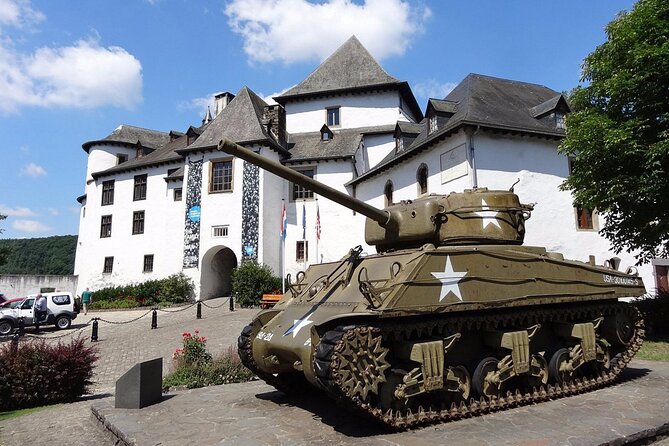
Then you’ll visit the Museum of the Battle of the Bulge in Clervaux for about 1 hour, with admission included. This is your direct, on-the-ground WWII chapter.
The overall value of pairing these two stops in one town is flow. You can move from broad human context (through the photo exhibition) to detailed war context (through the museum). It’s not random. It keeps the story from becoming a list of facts you forget on the drive back.
If you like explanations that tie events together, ask your guide to connect what you’re seeing to the wider liberation story you heard at the Patton Museum.
Stop 6: Castle of Wiltz and the Museum of the Resistance
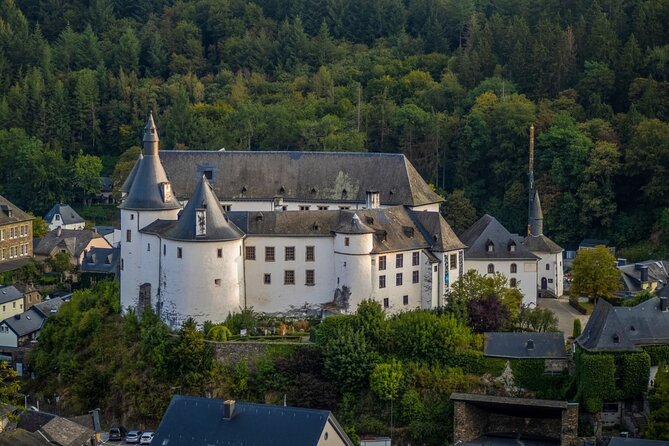
Your final stop is the Castle of Wiltz and the Museum of the Resistance, listed for about 30 minutes with admission included.
This stop shifts the perspective again. Instead of focusing only on armies and major leadership, you get a local angle on how resistance networks operated. Castles are perfect settings for this kind of history. They naturally suggest protection, strategy, and the way communities had to adapt under pressure.
The time here is shorter, so be realistic about what you can absorb in 30 minutes. If something catches your eye in the exhibits, spend a little longer reading labels and let the guide shorten their answers to what matters most. In a private tour, that kind of small adjustment is usually easy.
Ending at Wiltz gives the day a sense of agency. You see that people were not only victims of events. They also responded, organized, and resisted.
Comfort and included extras that make the day easier
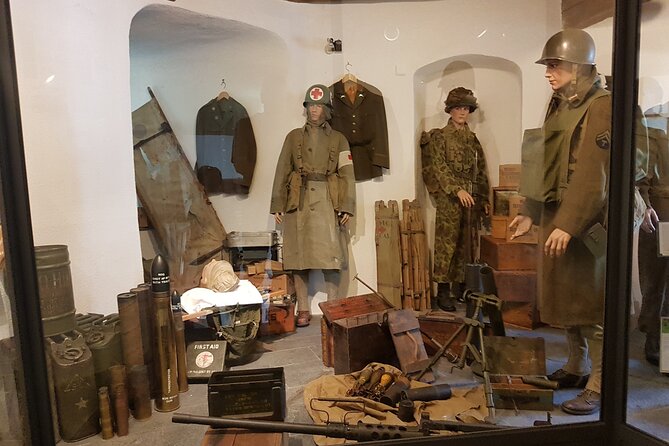
This tour includes private transportation, an air-conditioned vehicle, bottled water, and snacks. That sounds basic, but it’s exactly the difference between a tour that feels like a school field trip and one that feels like a plan you can actually enjoy.
It also helps that it’s limited to your group, up to 4 people. In practice, that means fewer pauses, fewer waiting moments, and more direct conversation. If you care about details like timelines, locations, or the meaning of a memorial inscription, you’ll get more airtime with a guide who’s not juggling a full bus.
Mobile ticketing is offered, and you’ll receive confirmation at booking. That’s helpful if you hate last-minute paper digging.
Price and value: what $773.95 means for your per-person cost
The price is $773.95 per group (up to 4) for about 5 to 6 hours. That puts the value math directly in your hands.
- If you can travel as 4 people, the cost spreads out, and the tour starts to look like strong value compared to piecing together taxis or public transit plus separate museum tickets.
- If you’re a smaller group, it becomes more of a premium experience, especially because museum entrance fees are partly not included.
Here’s the budget detail you should not ignore: it lists that museum entrance fees are €13.00 per person. That means your final cost is higher than just the advertised group price. The itinerary also notes that Clervaux Castle admission is free, which helps offset that total.
I’d treat this as a “pay for time and guidance” purchase. You’re buying private route planning, a guide with WWII context, and the ability to hit multiple stops in one smooth day without wasting half your energy on transport.
Who this tour suits best, and who might want a different pace
This experience is ideal if you:
- Want a focused WWII route with interpretation, not just photos and plaques
- Like asking questions and getting answers in English without rushing
- Prefer a private group size for a calmer day
- Enjoy castle settings, especially when history connects to local resistance and liberation
It might be less ideal if you:
- Want an entirely museum-based day with no memorial and cemetery time
- Have very limited mobility, since it requires moderate physical fitness and involves multiple stops, even if each stop is timed reasonably
- Are traveling as one person who cannot share the group cost
If you’re sensitive to emotionally heavy content, be aware that cemetery visits are part of the plan. They’re respectful and short, but they are still emotionally intense.
Should you book this WWII and castles private tour?
I think you should book it if you want a guided, efficient way to understand Luxembourg in WWII, from Patton’s connection to liberation, to the Battle of the Bulge explained clearly, and then to resistance stories in a castle setting. The structure makes sense: cemeteries first, interpretation second, and place-based history last.
I’d especially consider it if your goal is clarity. One of the best signs in the feedback for this tour is the praise for Serge’s ability to explain the Battle of the Bulge with detail in a way you can actually follow. Add the private group setup, included snacks and water, and the fact that Clervaux Castle is free, and the day feels like a practical way to get a lot of meaning without wasting time.
If you’re the type who likes museums but hates extra costs, plan for the €13 museum entrance fee per person and bring that into your budget early.
FAQ
How long is the WWII battlefields and castles private tour in Luxembourg?
The tour runs about 5 to 6 hours.
Where do we meet, and does the tour return to the same place?
You meet at 1 Rue Münster, 2160 Grund, Luxembourg. The tour ends back at the same meeting point.
Is pickup included, and what vehicle should I look for?
Pickup is offered. The guide and driver wait near the bridge and bus station in a gray Lexus NX.
What language is the tour offered in?
The tour is offered in English.
Are meals included?
No. Meals are not included.
What museum costs should I expect?
Museum entrance fees are listed as about €13.00 per person, since not all museum entrance fees are included. Clervaux Castle admission is listed as free.
Recently added, in and around Luxembourg City


Castle Tours, compared.
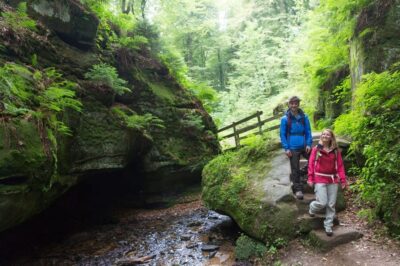
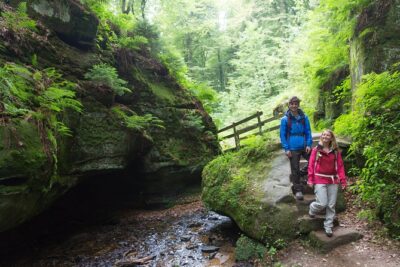
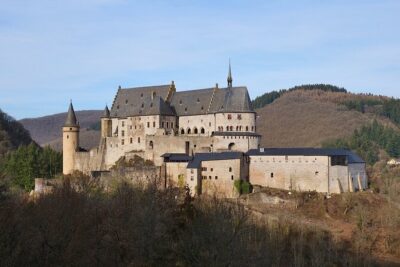
Luxembourg Vianden Castle Tour with Transfer + surprise stop
Read our review →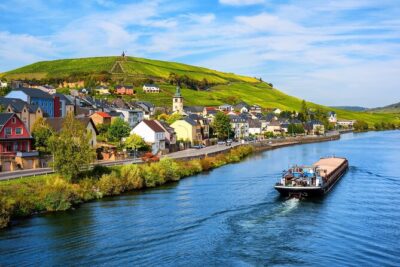
Schengen Wine Heritage and Beaufort Castle Private Tour
Read our review →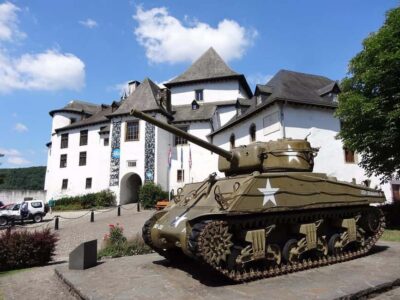
Luxembourg Vianden Castle Tour with Transfer + surprise stop
Read our review →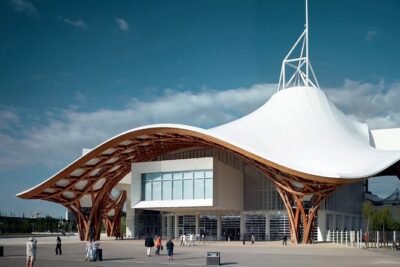
Metz town, Sierck Castle & Schengen Private Tour from Luxembourg
Read our review →Browse the lists this tour appears in